
Why Does Tooth Loss Affect the Shape of Your Face Over Time?
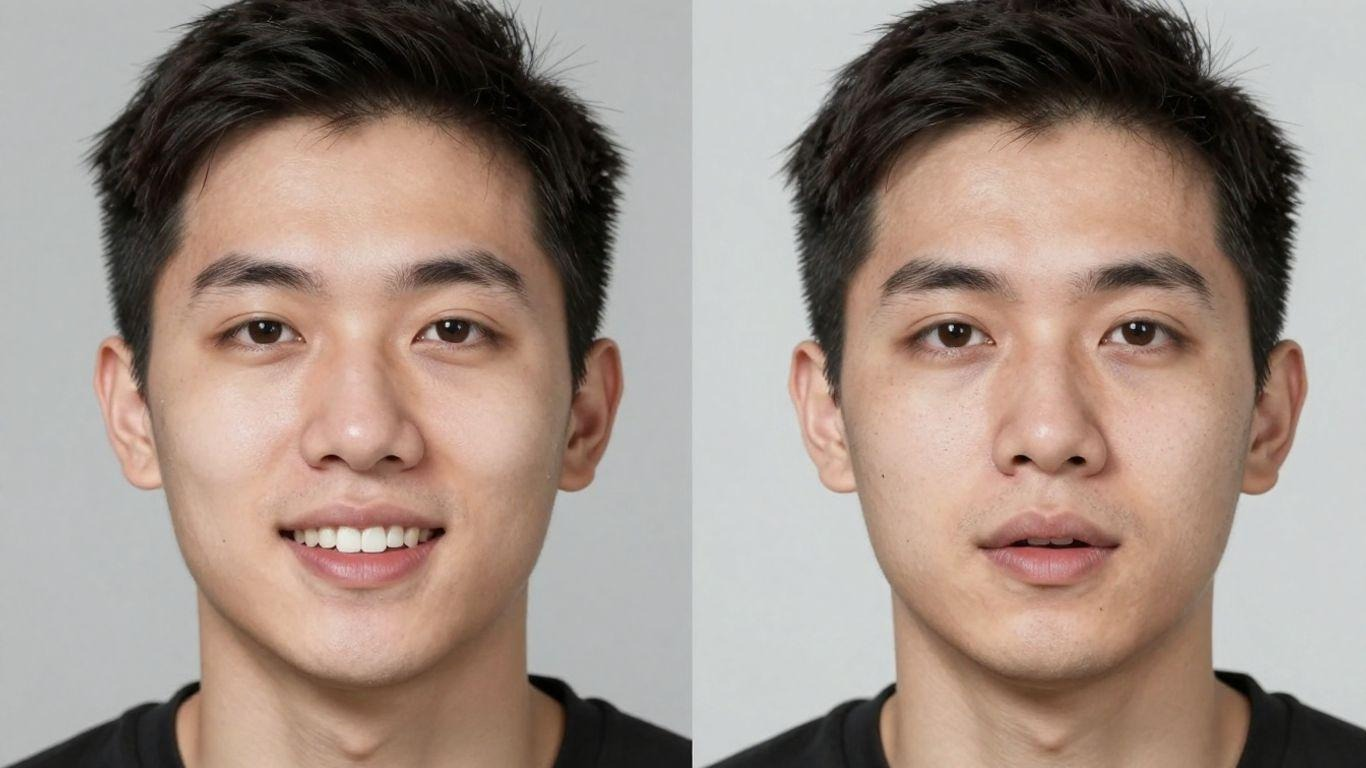
Think of your face like a really well-built house. It's got a frame, walls, and all sorts of things holding it up, right? Well, your teeth and the jawbone they sit in are kind of like the foundational support system for your face. They're not just there for munching on your favorite snacks or for a nice smile; they actually play a big part in keeping your face looking the way it does.
The Role of Teeth in Facial Support
Your teeth are more than just hard bits in your mouth. Each one is firmly rooted in your jawbone, and together, they create a solid base. This base helps support the muscles in your cheeks and lips. When you have a full set of teeth, they help maintain the natural fullness and shape of your lower face. It’s like having little pillars holding everything up. Without these pillars, the structure starts to sag.
How Jawbone Supports Facial Structure
The jawbone itself is pretty amazing. It gets constant stimulation from your teeth when you chew, bite, and talk. This stimulation is like a workout for the bone, keeping it strong and healthy. It also provides the underlying structure that gives your cheeks and chin their shape. When teeth are missing, the jawbone doesn't get that workout anymore. It's like a muscle that isn't used – it starts to weaken and shrink away over time. This shrinking bone is a big reason why faces can change shape after tooth loss.
Without the support of teeth and a healthy jawbone, the soft tissues of your face, like your cheeks and lips, lose their anchor. This can lead to a noticeable change in facial contours, often making the face appear less full and more aged.
The Immediate Impact of Tooth Loss
Losing a tooth might not seem like a big deal at first, maybe just a little gap in your smile. But honestly, it kicks off a whole chain reaction that can mess with your face pretty quickly. It's not just about how it looks right away; it's about how your whole mouth and face start to adjust, and not always in a good way.
Loss of Vertical Dimension
Think of your teeth like little pillars holding things up. When you lose a tooth, you lose some of that height. This is called the loss of vertical dimension. It means the space between your upper and lower jaws can actually decrease. It's like the whole structure gets a little shorter.
- Cheeks can start to sag a bit: Without the tooth filling out that space, your cheeks might not have the same support.
- Your bite changes: The teeth that are left might start to drift or tilt into the gap, throwing off how your top and bottom teeth meet.
- It can feel weird to chew: You might notice that certain foods are harder to break down, or you might favor one side of your mouth over the other.
This immediate change, even if subtle, is the first sign that your facial structure is being affected. It's the beginning of your face adapting to a new normal, and that adaptation isn't always pretty.
Changes in Bite and Chewing Function
When you lose a tooth, the way you bite down and chew food changes. It’s not just about having a gap; it’s about how the remaining teeth have to work harder or differently. Your jaw muscles have to compensate, and this can lead to some discomfort or strain.
- Uneven chewing pressure: The force you use to chew gets distributed differently, putting extra stress on the teeth next to the gap and the opposing tooth.
- Difficulty with certain foods: Tougher or stickier foods might become a challenge, leading you to avoid them.
- Jaw joint strain: Over time, this uneven pressure can lead to discomfort or even pain in your jaw joint (TMJ).
It's pretty wild how losing just one tooth can throw off the balance of your entire bite. Your mouth is a finely tuned system, and taking out a piece of it means everything else has to adjust, often leading to problems down the road.
Long-Term Consequences: Facial Changes Over Time
So, you've lost a tooth, or maybe a few. It might not seem like a big deal at first, just a little gap. But over the years, this can actually start to change the shape of your face. It's kind of like a building losing its support beams – things start to sag and shift.
Jawbone Resorption: The Shrinking Foundation
When you lose a tooth, the bone underneath it doesn't get the same kind of workout it used to. Chewing and biting normally stimulate that jawbone, keeping it strong. Without that stimulation, the bone starts to shrink, a process called resorption. This can happen pretty quickly, sometimes within months of losing a tooth, and it just keeps going.
The 'Sunken Face' Appearance
As that jawbone shrinks, it means there's less support for the skin and muscles in your face. This can lead to your cheeks looking a bit hollow or sunken in. It's especially noticeable if you've lost several teeth, particularly in the back of your mouth. Your face can start to look thinner and, well, older.
Changes in Lip Support and Fullness
Your teeth, especially the front ones, play a big role in supporting your lips. When they're gone, your lips can lose that natural fullness and start to droop inward. This can make your lips look thinner and can also lead to more wrinkles forming around your mouth. It's like the structure holding them up has disappeared.
Development of Wrinkles and Sagging Skin
All this bone loss and shifting can really affect the skin. The lack of underlying support can cause skin to sag, and you might notice more lines and wrinkles appearing, particularly around the mouth and chin area. It's not just about the teeth themselves; it's about how they contribute to the overall structure and appearance of your face over time. The domino effect of losing even one tooth can lead to significant changes in your facial profile.
Here's a quick look at what happens:
- Jawbone Shrinks: Without tooth roots to stimulate it, the bone starts to disappear.
- Cheeks Sink: Less bone means less support, making cheeks look hollow.
- Lips Thin: The structure supporting your lips diminishes, causing them to look less full.
- Wrinkles Appear: Sagging skin and loss of support contribute to more lines around the mouth.
It's a gradual process, but over time, these changes can make you look quite different, and often older, than you actually are. The harmony of your facial features starts to get disrupted.
Preventing and Addressing Facial Changes from Tooth Loss
So, we've talked about why tooth loss affect the shape of your face over time and how missing teeth change facial structure, leading to that dreaded "tooth loss and facial collapse over time" look. The good news? It's not a done deal! There are definitely ways to fight back against bone loss from missing teeth face changes and keep your face looking like, well, your face.
The best defense is a good offense: keep those natural teeth healthy! Regular dental check-ups, brushing twice a day, and flossing are your first line of defense. Catching cavities or gum disease early means you're less likely to end up with missing teeth in the first place.
But what if you've already lost a tooth or a few? Don't panic. Modern dentistry has some pretty awesome solutions:
- Dental Implants: These are like the superheroes of tooth replacement. They actually screw into your jawbone, mimicking the root of a natural tooth. This means they keep stimulating the bone, preventing that bone loss from missing teeth face changes. They look and feel like real teeth, and they help maintain your facial structure, stopping that sunken face appearance.
- Bridges and Dentures: These can definitely help restore your smile and chewing ability. However, they don't always prevent bone loss on their own. Sometimes, they're used along with implants or bone grafting to give you the best results.
- Bone Grafting: If you've experienced significant bone loss, a bone graft can rebuild the foundation in your jaw. This is often done before getting implants, giving them a solid base to work with and helping to reverse some of those facial sagging and aging effects.
It's really about acting sooner rather than later. The longer you wait after losing a tooth, the more bone you can lose, and the more pronounced those changes in lip support and fullness become. Addressing missing teeth promptly is key to preventing that domino effect that leads to facial sagging and aging.
Think of it this way: your teeth are the scaffolding for your face. When they're gone, the structure starts to shift. But with the right dental care and replacement options, you can keep that scaffolding strong and your face looking its best, no matter what.
Conclusion
So, it turns out that losing teeth isn't just about having a gap in your smile. Over time, it can really change how your face looks, making you appear older or just different. The good news is that there are ways to fix this, like getting implants or bridges. Taking care of your teeth and replacing them if you lose them is super important for keeping your face looking its best and feeling confident. Don't ignore those missing teeth; they matter more than you might think!
Frequently Asked Questions
Can losing just one tooth really change my face shape?
Yep, it really can. Even a single missing tooth can mess with how your bite lines up and how your face muscles work. Over time, this can make your face look a bit different, maybe a little sunken in places.
How does losing teeth make my face look older?
When you lose teeth, the bone in your jaw that held them starts to shrink because it's not being used for chewing anymore. This bone loss can make your cheeks sink in and your lips look thinner, which are signs that often make people look older.
What happens to my jawbone when I lose a tooth?
Think of your jawbone like a muscle that needs exercise. When you lose a tooth, that part of the jawbone doesn't get the workout it needs from chewing. So, it starts to break down, or shrink. This is called bone resorption.
Can missing teeth cause wrinkles?
Definitely. When the bone and teeth that support your skin and muscles are gone, the skin can start to sag. This lack of support can lead to new wrinkles, especially around your mouth, making you look older.
What's the best way to stop my face from changing after tooth loss?
The best thing to do is replace the missing teeth. Dental implants are great because they act like real tooth roots and keep stimulating your jawbone. Bridges can also help by filling the gap and giving support back.
If I already have facial changes from missing teeth, can they be fixed?
Often, yes! Treatments like dental implants can help bring back the support your face needs. They can help lift and firm up the skin and muscles, making your face look more youthful again.
Blog Post Author

Contributed by DentalROI
DentalROI provides relevant dental content to help providers educate patients. The statements, services, and products referenced in this article have not been evaluated by the Food and Drug Administration, and they are not intended as a substitute for professional medical advice, diagnosis, or treatment. Always seek the advice of your dental provider with any questions or issues you may have. Specific recommendations may vary in different circumstances, so individual consultation is important.
