
What Are The 3 Types Of Dental Implants
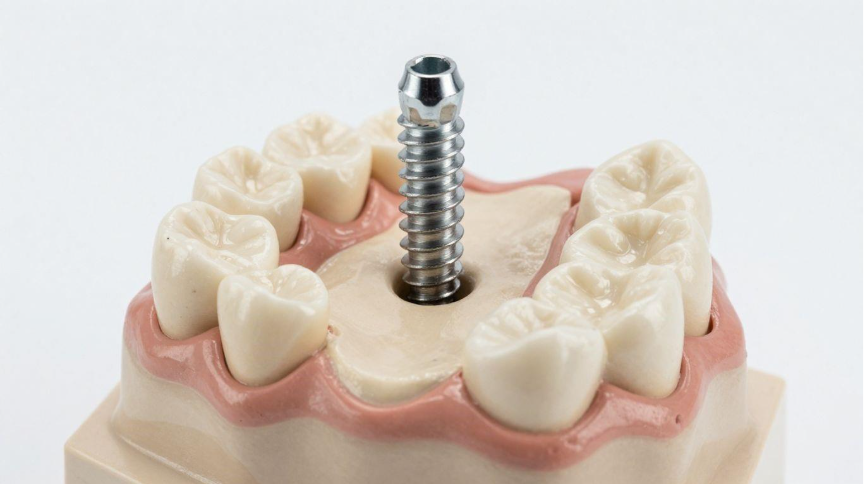
Losing teeth can be a real bummer, affecting how you eat, talk, and even how you feel about your smile. Luckily, dental implants offer a solid way to fix that. They're basically artificial roots that hold new teeth in place, feeling and looking a lot like the real thing. But here's the thing: not all implants are created equal. We're going to break down the main types so you can get a clearer picture of what might work best for you. Understanding the 3 Types of Dental Implants is the first step to getting your smile back on track.
Key Takeaways
- There are three main types of dental implants: Endosteal, Subperiosteal, and Zygomatic.
- Endosteal implants are placed directly into the jawbone and are the most common type.
- Subperiosteal implants sit on top of the jawbone, under the gums, and are used when bone height is insufficient for Endosteal implants.
- Zygomatic implants are anchored in the cheekbone and are reserved for cases of severe bone loss in the upper jaw.
- The best dental implant type for seniors depends on their individual bone health, jaw structure, and overall health.
A Quick Overview of Dental Implants and How They Work
Losing a tooth, or even several teeth, can be a real bummer. It affects how you eat, how you talk, and let's be honest, how you feel about your smile. Thankfully, dental implants have come a long way in helping people get back to feeling like themselves.
So, what exactly are dental implants? Think of them as artificial tooth roots. They're usually made from titanium, a material that your body plays nicely with. These implants are surgically placed right into your jawbone. Over time, they actually fuse with the bone, creating a super strong and stable base. This base is what holds your new replacement teeth, like crowns or bridges, in place. They're designed to look, feel, and function just like your natural teeth.
It's not just about having a nice smile, though. Dental implants do some pretty important work under the surface:
- Prevent Jawbone Loss: When you lose a tooth, the bone in that spot can start to shrink. Implants help stimulate the bone, keeping it healthy.
- Improve Chewing and Speaking: With a stable foundation, you can eat your favorite foods and speak clearly without worrying about your teeth shifting.
- Last a Long Time: When cared for properly, implants can last for many, many years, often a lifetime.
Understanding the different types of dental implants and their uses is the first step in figuring out the best solution for you. We'll get into those specifics next.
Type One: Endosteal Dental Implants
Endosteal implants are the most common kind of dental implant out there. Think of them as artificial tooth roots that are surgically placed directly into your jawbone. They're usually made from titanium or a similar material that your body accepts well, which is pretty neat.
These implants are a solid choice for people who have enough healthy jawbone to support them. If you've lost teeth but your jawbone is still in good shape, endosteal implants can be a great way to replace them. They can be used for a single missing tooth, to support a bridge for several missing teeth, or even to anchor a full set of dentures.
Here’s a quick rundown of what makes them stand out:
- Direct Jawbone Integration: They fuse with your jawbone, creating a really stable base.
- Versatile Use: Good for replacing one tooth, multiple teeth, or a whole arch.
- Long-Lasting Solution: With proper care, they can last for many years, often a lifetime.
The success of endosteal implants often depends on having sufficient jawbone density. If there isn't enough bone, a bone graft might be needed first. This type is often considered the best dental implant type for seniors who maintain good oral hygiene and have adequate bone structure.
The process typically involves a healing period after the implant is placed, allowing it to integrate with the bone before the final tooth or bridge is attached. This integration is key to their stability and function.
Type Two: Subperiosteal Dental Implants
Subperiosteal dental implants represent a different approach, particularly useful when the jawbone isn't quite dense enough for traditional implants. Instead of being placed directly into the bone, these implants sit on top of the jawbone but under the gum tissue. Think of it like a custom-made metal framework that rests on the bone, with posts that stick up through the gums to hold your new teeth.
This type of implant is a good option for individuals who cannot or prefer not to undergo bone grafting procedures. It's a way to get a more stable solution for dentures or bridges when there's been some bone loss. The framework is designed specifically for the patient's unique bone structure, making it a personalized fit.
Here's a bit more about how they work:
- Placement: A metal framework is created to fit precisely over the jawbone.
- Support: This framework has small posts that extend through the gums.
- Restoration: Dentures or bridges are then attached to these posts, providing a secure fit.
While they offer more stability than traditional dentures, they are generally considered less common now compared to other implant types due to advancements in bone grafting and other implant technologies. However, for the right candidate, they can still be a very effective solution for restoring function and confidence.
Subperiosteal implants are designed to provide a stable base for tooth replacements when the jawbone has receded or is not thick enough for other implant types. They are placed on the bone, beneath the gums, offering a less invasive alternative to bone augmentation in certain situations.
Type Three: Zygomatic Dental Implants
When the upper jawbone doesn't have enough density for standard implants, there are still options. This is where zygomatic implants come into play. These are a bit different from the other three types of dental implants explained. Instead of going into the jawbone, they are anchored into the cheekbone, which is also called the zygomatic bone. This makes them a really good choice for people who have experienced significant bone loss in their upper jaw and might otherwise be told they aren't candidates for dental implants.
These implants are longer and are carefully placed into the denser bone of the cheek. This provides a stable base for restoring the upper teeth. It's a more complex procedure than traditional implants, but it can be a game-changer for those who thought their options were limited.
Here's a quick look at why they're used:
- Severe Bone Loss: Specifically addresses cases where the upper jawbone is too thin or has resorbed significantly.
- Alternative to Bone Grafting: Can sometimes avoid the need for extensive bone grafting procedures.
- Full Arch Restoration: Often used to support a full set of replacement teeth in the upper jaw.
Zygomatic implants offer a specialized solution for complex cases of missing teeth, particularly when traditional implant placement isn't possible due to bone structure limitations in the upper jaw. They utilize the strong zygomatic bone for support.
These different dental implant options for missing teeth, including zygomatic implants, show how dentistry has advanced to help more people achieve a stable and functional smile.
How the Right Implant Type Improves Quality of Life
Choosing the correct type of dental implant is a big deal, and it really makes a difference in how you feel and function day-to-day. It's not just about filling a gap; it's about getting back to eating, speaking, and smiling with confidence. When an implant is the right fit for your specific situation, it feels natural, like your own teeth. This means you can enjoy your favorite foods again without worry, laugh freely, and speak clearly.
Different implant types are suited for different needs. For instance, if you have good jawbone density, an endosteal implant might be the best choice, offering a very stable foundation. If bone loss is a concern, subperiosteal or even zygomatic implants can provide a solution, preventing the need for extensive bone grafting in some cases. The goal is always to find the most stable and comfortable option for you.
Here’s a look at how different implant types can impact your daily life:
- Restored Chewing Ability: Whether it's a single tooth or a full arch, the right implant allows for strong, reliable chewing, letting you eat a wider variety of foods.
- Improved Speech: Loose dentures or gaps can affect how you speak. Implants provide a fixed solution, helping you articulate words clearly.
- Enhanced Confidence: A natural-looking smile can do wonders for self-esteem. Knowing your teeth are secure and look great makes a huge difference.
- Preservation of Jawbone: Unlike other tooth replacement options, implants stimulate the jawbone, helping to prevent the bone loss that can occur after losing teeth. This helps maintain facial structure over time. mimicking natural tooth structures.
The decision about which implant to go with is made after a thorough evaluation. Factors like your jawbone health, the number of teeth missing, and your overall health are all considered to find the best long-term solution. It’s a personalized approach to restoring your smile and your life.
Ultimately, the right dental implant isn't just a medical device; it's a key to regaining comfort, function, and a sense of normalcy. It’s about getting back to enjoying life without the limitations that missing teeth can impose.
Making Your Choice
So, you've learned about the different kinds of dental implants out there – the standard ones, the mini ones, and the All-on-4 approach. Each has its own place and can help people with missing teeth in different ways. The best implant for you really comes down to what your mouth is like, how much bone you have, and what you're hoping to achieve. Talking with your dentist is the next big step. They can look at your situation and help you figure out which option makes the most sense for getting your smile back and working well again.
Frequently Asked Questions
What exactly are dental implants?
Dental implants are like artificial tooth roots, usually made of titanium. They are placed into the jawbone and fuse with it, creating a strong base for new teeth like crowns or bridges. They look and feel like natural teeth.
What is the most common type of dental implant?
The most common type is the endosteal implant. These are placed directly into the jawbone and are suitable for most people who have enough healthy bone.
Who might need a subperiosteal implant?
Subperiosteal implants are placed on top of the jawbone, under the gums. They are a good option for people who don't have enough jawbone for an endosteal implant and want to avoid bone-grafting surgery.
When are zygomatic implants used?
Zygomatic implants are a more complex option used when there is significant bone loss in the upper jaw. Instead of the jawbone, these longer implants are anchored into the cheekbone.
How do I know which implant type is best for me?
A dentist will examine your jawbone health, discuss how many teeth you need replaced, and consider your overall health to recommend the best implant type. It's a personalized decision.
Can dental implants help with bone loss?
Yes, dental implants help prevent further bone loss because the titanium post stimulates the jawbone, just like natural tooth roots do. This helps maintain the shape of your face and jaw.
Blog Post Author

Contributed by DentalROI
DentalROI provides relevant dental content to help providers educate patients. The statements, services, and products referenced in this article have not been evaluated by the Food and Drug Administration, and they are not intended as a substitute for professional medical advice, diagnosis, or treatment. Always seek the advice of your dental provider with any questions or issues you may have. Specific recommendations may vary in different circumstances, so individual consultation is important.
