
What Are Dental Crowns And Tooth Bridges
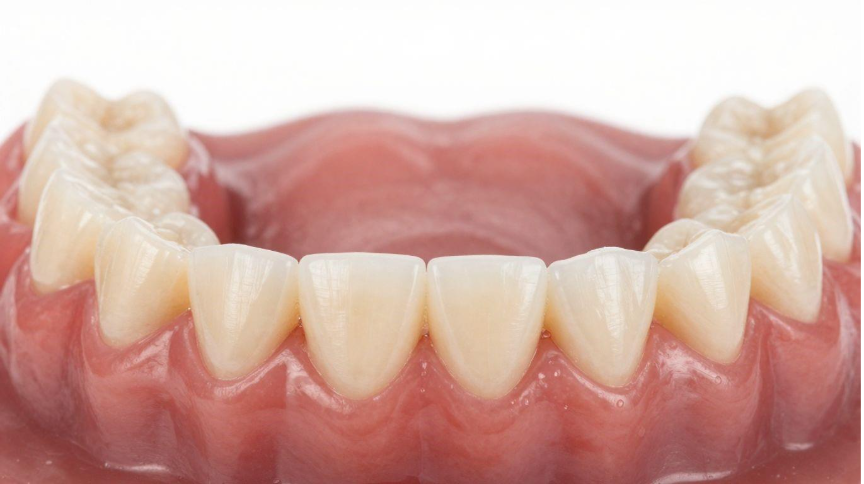
When a tooth is damaged or missing, it can affect more than just your smile. It can make eating difficult and even impact your confidence. Fortunately, dental crowns and bridges offer effective solutions to restore the look and function of your teeth. These dental restorations are designed to look and feel like your natural teeth, helping you regain a healthy, complete smile. Let's explore what dental crowns and bridges are and how they can help.
Key Takeaways
- A dental crown is like a cap that fits over a damaged tooth, restoring its shape, size, strength, and appearance. It's used when a tooth is cracked, worn down, or has a large filling.
- A dental bridge is used to replace one or more missing teeth by "bridging" the gap. It typically consists of crowns on the teeth or implants on either side of the gap, with artificial teeth in between.
- The main difference between dental crowns and dental bridges is their purpose: crowns cover individual damaged teeth, while bridges replace missing teeth by anchoring to adjacent ones.
- The process for getting dental crowns and bridges usually involves two visits. The first visit prepares the teeth and takes measurements, while a temporary restoration is placed. The second visit involves fitting and cementing the permanent crown or bridge.
- Both dental crowns and bridges are designed to look, feel, and function like natural teeth, helping to improve chewing ability, speech, and overall smile aesthetics.
Restoring Strength, Function, and Confidence
When teeth are damaged, missing, or weakened, it can really impact how you eat, speak, and even how you feel about your smile. Dental crowns and bridges are designed to fix these issues, bringing back the strength and natural feel to your mouth. Think of a crown as a cap that fits over a damaged tooth, making it strong again. It's like giving a weakened tooth a protective shield. This helps when a tooth is cracked, has a large filling, or has undergone a root canal. A bridge, on the other hand, is used when one or more teeth are missing. It literally bridges the gap by using crowns on the teeth next to the space as anchors for one or more artificial teeth. This stops your other teeth from shifting out of place and helps you chew normally again.
These treatments are about more than just looks; they're about getting your mouth working the way it should. They help you enjoy your favorite foods without worry and speak more clearly. It’s common for people to get used to avoiding certain foods or changing how they eat when they have dental problems. Crowns and bridges help you get back to eating comfortably and confidently.
Here’s a quick look at what they do:
- Crowns: Cover and restore a damaged or weakened tooth.
- Bridges: Replace one or more missing teeth by anchoring to adjacent teeth.
These restorations are made to look, feel, and function just like your natural teeth. They blend in so well that most people won't even know you've had work done. The goal is to give you back a full, healthy smile that you feel good about.
Getting these restorations means you can stop worrying about a gap in your smile or a tooth that hurts when you bite. It's a way to get back to feeling like yourself, with a mouth that's both strong and beautiful.
Dental Crowns vs. Tooth Bridges: How They Differ
When you're looking at ways to fix a damaged or missing tooth, you'll likely hear about dental crowns and dental bridges. While they both help restore your smile, they do different jobs. Think of a dental crown as a single cap that fits over one damaged tooth. It's like giving that tooth a strong, protective helmet. This is useful if a tooth is cracked, has a large filling, or has had a root canal. A crown basically covers the entire visible part of the tooth above the gum line, making it stronger and look better.
On the other hand, dental bridges are designed to fill a gap where one or more teeth are missing. The name kind of gives it away, right? A bridge literally bridges the gap. It's usually made up of two or more crowns that are attached to the teeth on either side of the gap. These anchor teeth, called abutments, hold the artificial tooth (or teeth) in the middle, called a pontic. So, the main difference between dental crowns and dental bridges is that a crown fixes one tooth, while a bridge replaces missing teeth using neighboring teeth for support. This is a common solution for what are bridges for teeth.
Here's a quick breakdown:
- Dental Crown: Covers a single damaged tooth to restore its shape, size, strength, and appearance.
- Dental Bridge: Replaces one or more missing teeth by anchoring artificial teeth to adjacent natural teeth or implants.
While both treatments aim to bring back function and aesthetics, they address distinct dental problems. A crown is for a single tooth needing repair, whereas a bridge is for filling a space left by missing teeth.
The Dental Crown and Bridge Treatment Process
Getting dental crowns and bridges usually involves a couple of appointments. It’s a pretty straightforward process designed to get your smile back in shape.
- Preparation: Shaping the tooth/teeth and cleaning out decay.
- Impression/Scan: Capturing the precise dimensions of your mouth.
- Temporary Placement: A temporary crown or bridge is fitted.
- Permanent Placement: The final crown or bridge is cemented.
Healing, Comfort, and Aftercare Considerations
- Diet: Start with soft foods and gradually reintroduce firmer items as you feel comfortable.
- Oral Hygiene: Brush gently twice a day and floss daily, using specialized tools if needed.
- Sensitivity: Expect mild sensitivity; it usually subsides within a few days.
- Follow-up: Attend any scheduled follow-up appointments to check on the fit and healing.
Longevity and Long-Term Outcomes
- Oral Hygiene Habits: Brushing twice a day, flossing daily, and using an antimicrobial mouthwash are key.
- Regular Dental Check-ups: Visiting your dentist for routine cleanings and exams allows them to catch any potential issues early on.
- Diet: Chewing on hard foods, ice, or using your teeth as tools can put excessive stress on crowns and bridges.
- Bruxism (Teeth Grinding): If you grind your teeth, especially at night, it can wear down restorations over time.
Wrapping Up Your Smile Restoration
So, dental crowns and bridges are pretty neat tools for fixing up smiles. Whether it's a single tooth needing a cap or a few missing ones needing a bridge, these options can really make a difference. They help you eat comfortably again, look great, and keep your other teeth from shifting around. If you're dealing with a damaged or missing tooth, talking to your dentist about crowns and bridges is a good next step. They can figure out what works best for you and get your smile back in shape.
Frequently Asked Questions
What exactly is a dental crown?
Think of a dental crown as a protective cap for a tooth. It's used when a tooth is damaged, weak, or has had a root canal. The crown fits snugly over the entire tooth, restoring its shape, strength, and making it look like a natural tooth again.
When might someone need a dental bridge?
A dental bridge is a solution for missing teeth. It's made of one or more artificial teeth held in place by crowns attached to the healthy teeth on either side of the gap. This helps to fill the space and make chewing and speaking easier.
Is getting a crown or bridge a painful process?
Most people don't find the procedure painful. Dentists use local anesthetic to numb the area, so you'll likely feel pressure or vibrations but not sharp pain. In fact, getting a crown or bridge often relieves existing tooth pain.
How long does the dental crown and bridge treatment take?
Typically, getting a crown or bridge involves two dental visits. During the first visit, the tooth is prepared, and a temporary crown or bridge is placed. The permanent one is fitted and cemented during the second visit, usually a couple of weeks later.
How should I care for my new crown or bridge?
Caring for crowns and bridges is much like caring for your natural teeth. Regular brushing and flossing are essential. It's especially important to clean under the bridge to prevent food particles and plaque from causing problems.
How long do dental crowns and bridges usually last?
With good oral hygiene and regular dental check-ups, dental crowns and bridges can last for many years, often 10 to 15 years or even longer. However, their lifespan can depend on factors like oral care habits and the overall health of the mouth.
Blog Post Author

Contributed by DentalROI
DentalROI provides relevant dental content to help providers educate patients. The statements, services, and products referenced in this article have not been evaluated by the Food and Drug Administration, and they are not intended as a substitute for professional medical advice, diagnosis, or treatment. Always seek the advice of your dental provider with any questions or issues you may have. Specific recommendations may vary in different circumstances, so individual consultation is important.
