
Dental Veneers: A Simple and Effective Smile Solution
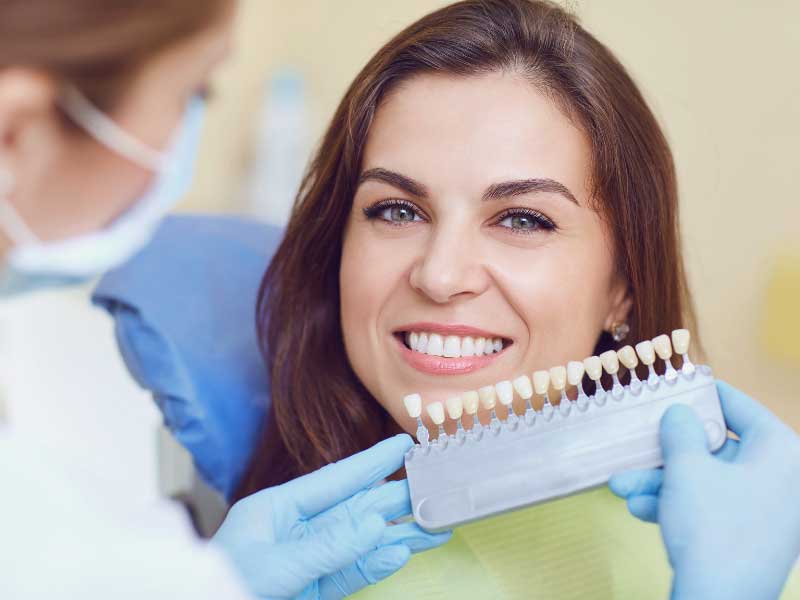
Cosmetic concerns involving the teeth—staining, chips, uneven contours, or small gaps—are very common. Even though these imperfections are minor, they can make people self-conscious. Dental veneers offer a refined and conservative solution. Rather than requiring full reconstructions or invasive procedures, veneers enhance the visible surface of the tooth with durable, high-quality materials. The result is not only aesthetic improvement but also a restoration of balance and confidence in one’s smile.
When performed by a skilled professional, veneers enhance both appearance and function. While often labeled “cosmetic,” veneers can also support oral health by maintaining tooth shape, improving occlusion, and correcting minor structural issues caused by wear or trauma.
When a Surface Solution Is the Right Thing to Do
Veneers are ideal when small imperfections on otherwise healthy teeth affect appearance. Examples include:
- Small chips along the incisal edge
- Shallow cracks
- Minor shape or spacing issues
- Stains that do not respond to whitening
Crowns cover the entire tooth, but veneers only cover the front surface—making them less invasive. Composite veneers (resin) are more affordable and quicker but less durable. Porcelain veneers, often crafted from lithium disilicate ceramics, last longer, resist staining, and closely mimic natural enamel due to their lifelike translucency.
The Accuracy of the Process
Veneers are extremely thin—often less than a millimeter—yet placing them correctly requires precision and advanced clinical skill. Success depends on mastery of smile design, bonding science, and long-term functional behavior.
Treatment begins with a comprehensive evaluation. A minimal amount of enamel is removed to create space for the veneer and preserve natural proportions. Digital scans or traditional impressions are then taken. At Pacific Northwest Prosthodontics, this information is used to design veneers that accurately reflect natural anatomy.
During the final bonding stage, strict protocols are followed:
- The inside of the veneer is etched and treated with silane
- The tooth is prepared with a mild etchant and bonding agent
- Resin cement is light-cured to create a secure, long-lasting bond
- Margins and bite harmony are checked for comfort and longevity
Veneers: The Good and the Bad
Veneers offer significant advantages, including:
- Whitening when bleaching is ineffective
- Repairing worn edges
- Correcting small gaps and shape discrepancies
- Conservative preparation compared to crowns
However, veneers are not suitable for every situation. They may not work well when:
- A tooth has extensive decay or large restorations
- There is insufficient enamel for bonding
- Untreated periodontal disease is present
- The patient grinds or clenches heavily (requires additional management)
- Teeth are severely rotated or misaligned (orthodontics may be needed first)
Long-Term Care
Veneers should be maintained like natural teeth. Daily brushing with non-abrasive toothpaste and regular flossing are essential to protect the margins from decay. While porcelain does not decay, the underlying tooth can. Patients who grind may need a night guard for added protection.
Routine dental checkups are critical. A prosthodontist monitors veneer margins, gum health, and bite forces. Porcelain veneers often last more than ten years with proper care, and many continue functioning beautifully far longer. Composite veneers are easier to repair but may require more frequent replacement.
Using What You Know
Veneers are more than a cosmetic upgrade—they require expertise in materials science, facial harmony, and functional design. When done well, they enhance appearance while also supporting long-term oral health.
Veneers may be the ideal solution to improve your smile in a way that is both aesthetic and functional. To explore your options with our prosthodontic team, call (509) 796-0885.
Blog Post Author

Contributed by DentalROI
DentalROI provides relevant dental content to help providers educate patients. The statements, services, and products referenced in this article have not been evaluated by the Food and Drug Administration, and they are not intended as a substitute for professional medical advice, diagnosis, or treatment. Always seek the advice of your dental provider with any questions or issues you may have. Specific recommendations may vary in different circumstances, so individual consultation is important.
