
Periodontist vs. Oral Surgeon for Dental Implants
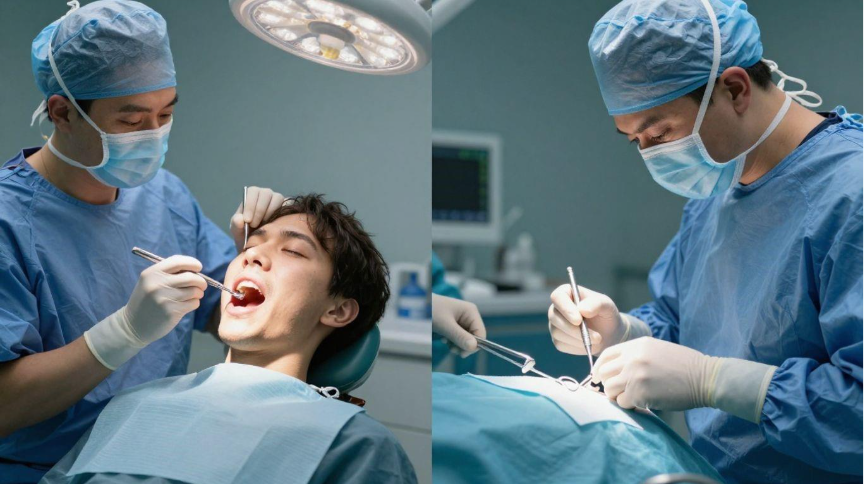
When you're thinking about getting dental implants, you might wonder who exactly is the best person for the job. It's a common question: who is better for dental implants, an oral surgeon or a periodontist? Both are highly trained dental professionals, but they focus on different areas. Understanding their training and what they do can help you figure out who is best qualified to do dental implants for your specific needs.
Key Takeaways
- Both periodontists and oral surgeons are dental specialists trained to place implants, but their training paths and primary focuses differ.
- Oral surgeons have extensive training in surgical procedures of the mouth, jaw, and face, often handling more complex cases including bone grafting and sedation.
- Periodontists specialize in the health of gums and supporting tooth structures, and are also skilled in implant placement, particularly when gum health is a major consideration.
- The difference between a periodontist and an oral surgeon lies in their broader surgical scope versus their specialized focus on gum health and related structures.
- While both can perform implant surgery, oral surgeons may be preferred for complex cases requiring extensive bone work or advanced anesthesia, while periodontists excel in cases where gum health is paramount.
Why Choosing the Right Implant Specialist Matters
When you're considering dental implants, picking the right professional to do the job is a really big deal. It's not just about getting a new tooth; it's about making sure it looks good, works right, and lasts for a long time. Think of it like building a house – you wouldn't hire just anyone to lay the foundation, right? The same applies here. The specialist you choose has a direct impact on the success of the implant and your overall oral health.
The skill and experience of the dental professional are paramount for a successful outcome. Different dental specialists have different training backgrounds, and understanding these differences helps you figure out who is best qualified to do dental implants for your specific situation. Some might be better suited for straightforward cases, while others have the advanced training needed for more complex procedures, like when bone grafting is necessary. Making an informed choice means looking at their qualifications and what they specialize in.
Here are a few things to consider when deciding:
- Training and Specialization: Not all dentists have the same level of surgical training for implants.
- Experience with Complex Cases: Some situations require more advanced surgical skills.
- Treatment Planning: A specialist can create a detailed plan that considers your whole mouth.
- Technology and Techniques: The latest tools and methods can lead to better results.
Choosing a specialist with extensive experience in implant surgery can significantly reduce potential complications and improve the predictability of the final result. It's about finding someone who has a proven track record and the right qualifications for your needs.
Ultimately, the goal is to restore your smile and function, and the right specialist is key to achieving that. You want someone who can handle the procedure with precision and care, ensuring the best possible result for your dental restoration.
What a Periodontist Brings to Dental Implant Care
When you're thinking about dental implants, you might wonder who is better for dental implants, an oral surgeon or a periodontist. It's a good question because both are specialists with advanced training. So, do periodontists do implants? Yes, they absolutely do, and they bring a unique set of skills to the table.
A periodontist is a dental specialist who focuses on the health of your gums and the supporting structures of your teeth. This means they have a deep understanding of gum disease and how it can affect your overall oral health. Because implants need a healthy foundation to be successful, a periodontist's focus on gum health is incredibly important.
Here's what a periodontist brings to the dental implant process:
- Gum Health Expertise: They are masters at treating gum disease, which is often a necessary first step before implants can be placed. A healthy gum and bone environment is key for implant longevity.
- Surgical Skill for Implants: Periodontists receive extensive training in placing dental implants. They are skilled in procedures that prepare your mouth for implants, including bone grafting and soft tissue procedures, if needed.
- Focus on Long-Term Success: Their goal is to ensure your implants are not just placed, but that they integrate well with your bone and gums for a stable, long-lasting result.
While there's a difference between a periodontist and an oral surgeon, and a difference between an oral surgeon and a periodontist, both can be qualified to place implants. However, a periodontist's specialized focus on the gums and supporting bone structures means they are particularly well-suited for ensuring the foundation for your new teeth is as healthy as possible.
A periodontist's training emphasizes the health of the tissues surrounding the teeth and implants. This specialized knowledge is vital for creating a stable and healthy environment for dental implants to thrive, contributing to their long-term success and your overall oral well-being.
What an Oral Surgeon Offers in Implant Placement
When considering dental implants, a common question is, "do oral surgeons do implants?" The answer is a resounding yes, and they bring a specific set of skills and training to the table. Oral surgeons are specialists in surgical procedures of the mouth, face, and jaw. Their training goes beyond general dentistry, often involving several years in hospital-based residency programs. This extensive background means they are well-equipped to handle the surgical aspects of placing dental implants.
One of the key advantages of choosing an oral surgeon is their deep knowledge of facial anatomy, including bone structure, nerves, and soft tissues. This understanding is vital for precise implant placement, aiming for both optimal function and a natural look. They are also highly skilled in managing anesthesia, ensuring patient comfort throughout the procedure, whether it's a simple case or a more complex one.
Oral surgeons frequently deal with more complicated situations that might be necessary before implant placement. This can include procedures like bone grafting, where new bone is added to the jaw to provide a stable base for the implant. They are also experienced in techniques like sinus lifts, which are needed when there isn't enough bone in the upper jaw. Their surgical training means they are prepared to handle unexpected issues that might arise during or after surgery.
Here's a look at what they bring:
- Extensive Surgical Training: Years of specialized education focused on surgical procedures in the head and neck region.
- Complex Case Experience: Proficiency in procedures like bone grafting and sinus augmentation, often required for successful implant placement.
- Anesthesia Expertise: Skill in administering various forms of anesthesia for patient comfort and safety.
- Anatomical Knowledge: A thorough understanding of the intricate structures of the mouth and jaw for precise placement.
Oral surgeons are trained to manage the surgical placement of implants, often handling cases that require significant bone work or other complex procedures. Their focus is on the surgical success and stability of the implant itself. They are prepared for a wide range of scenarios, making them a strong choice for many individuals seeking dental implants.
Key Factors That Help Determine the Right Choice
Deciding between a periodontist and an oral surgeon for your dental implants might seem a bit confusing, but thinking about a few things can really help make it clearer. It's not just about who can do the job, but who is the best fit for your specific situation.
First off, consider the complexity of your case. Do you have significant bone loss or require extensive grafting? Both specialists have training in bone grafting, but oral surgeons often have more in-depth surgical experience with complex jaw and facial structures. On the other hand, if your primary concern is the health of your gums and supporting bone, a periodontist's specialized focus on these areas could be highly beneficial. They are experts in managing gum disease, which is often a prerequisite for successful implant placement.
Think about the overall treatment plan. Some patients prefer a provider who can manage the entire process, from initial evaluation and surgery to post-operative care. Oral surgeons often handle a broader scope of surgical procedures related to the mouth and jaw, potentially offering a more integrated approach for complex cases. Periodontists, while highly skilled in implant surgery, might work more closely with other dental professionals to ensure all aspects of your oral health are addressed.
Here’s a quick look at what each specialist typically brings:
- Periodontist: Deep knowledge of gum health, bone support, and tissue regeneration. Excellent for cases where gum health is a primary concern or requires significant attention before or during implant placement. They are skilled in procedures like bone grafting and soft tissue management.
- Oral Surgeon: Extensive surgical training in the jaw, mouth, and facial structures. Often handles more complex surgical challenges, including significant bone reconstruction and wisdom tooth removal. They also have advanced training in anesthesia.
Another factor is comfort with anesthesia. Oral surgeons generally have more comprehensive training and experience with various anesthesia options, from local to general anesthesia. If you experience dental anxiety or require a lengthy procedure, this expertise can make a big difference in your comfort level.
Ultimately, the best choice often comes down to the specific needs of your mouth and the nature of the implant procedure. Discussing your medical history, the condition of your jawbone, and any concerns you have with your dentist is the first step. They can help guide you toward the specialist best equipped to handle your dental implant needs.
The goal is to find a specialist whose training and experience align perfectly with the requirements of your dental implant surgery, leading to the most predictable and successful outcome for your smile.
Technology, Planning, and Precision in Implant Treatment
When you're looking into getting dental implants, the technology and planning involved are pretty important. It's not just about putting a screw in your jaw; it's a whole process that requires careful thought and the right tools. Think of it like building something – you need a solid blueprint and the best equipment to get it done right.
Modern implant dentistry uses some pretty advanced stuff to make sure everything goes smoothly. One of the big ones is 3D imaging, like CBCT scans. These give your specialist a really detailed look at your jawbone, nerves, and sinuses. It’s like having a roadmap before you even start digging. This detailed view helps them figure out the exact spot, angle, and depth for the implant, which is key for it to fuse well with your bone. This level of planning significantly reduces surprises during surgery.
Here’s a look at some of the tech involved:
- 3D Imaging (CBCT Scans): Provides a detailed, three-dimensional view of your oral anatomy.
- Surgical Guides: These are custom-made templates, often created from 3D scans, that help guide the drill to the precise location for implant placement.
- Digital Smile Design: Software that allows you to visualize the final outcome of your treatment before it even begins.
This careful planning extends to the actual surgery. Using surgical guides, for instance, means the implant is placed exactly where the plan dictated. This precision is what helps make sure the implant is stable and has the best chance to integrate with your bone. It’s all about minimizing guesswork and maximizing accuracy. Some specialists are even exploring augmented reality (AR) to overlay digital plans onto the patient's mouth during surgery, offering a more dynamic approach to implant placement.
The goal of all this technology and planning is to make the procedure as predictable and successful as possible. It’s about creating a stable foundation for your new teeth that will last for years to come.
It’s also worth noting that some specialists might use special software to plan out the entire process, from the initial scan to the final restoration. This digital workflow helps everyone involved – you, the surgeon, and the lab creating your crown – be on the same page. It really makes the whole experience feel more organized and less stressful for the patient.
Wrapping Up: Who's Best for Your Dental Implants?
So, when it comes down to getting dental implants, both oral surgeons and periodontists are highly trained professionals who can help. Oral surgeons often have more extensive surgical training, especially for complex cases that might involve bone grafting or other significant procedures. Periodontists, on the other hand, really focus on the health of your gums and the supporting structures, which is also super important for successful implants. Your general dentist is usually the first stop to figure out what you need and can guide you toward the right specialist. Ultimately, the best choice depends on your specific situation and what your dentist recommends for your unique smile. Contact Pacific Northwest Prosthodontics today to learn whether a periodontist or oral surgeon is the right choice for your dental implant treatment.
Frequently Asked Questions
What's the main difference between a periodontist and an oral surgeon?
Think of it this way: an oral surgeon is like a general contractor for surgery in your mouth and face. They handle a wide range of operations, including complex ones. A periodontist, on the other hand, is a specialist focused on the health of your gums and the parts that hold your teeth in place. They're experts in gum disease and also place implants.
Who is usually better for dental implants, an oral surgeon or a periodontist?
Both can place dental implants, but oral surgeons often have more extensive training in complex surgeries, including bone grafting if needed. Many people find that oral surgeons are the go-to for implants because of their broad surgical experience. However, a periodontist's deep knowledge of gum health is also very valuable for successful implants.
Do I need an oral surgeon if my gums are healthy?
Not always. If your gums and jawbone are in great shape, a periodontist might be perfectly suited to place your implants. They focus on making sure the gums heal well around the implant. But if there are any issues with bone loss or you need more complex work, an oral surgeon's specialized surgical skills could be more beneficial.
Can a regular dentist place dental implants?
Many general dentists do offer dental implant placement. They often handle simpler cases. However, for more complicated situations, or if you need significant bone work or extensive surgery, they might refer you to a specialist like an oral surgeon or a periodontist to ensure the best possible outcome.
What kind of training do these specialists have?
After dental school, both specialists go through extra years of training. Oral surgeons typically do a longer residency (4-6 years) focusing on all sorts of mouth and jaw surgeries, including anesthesia. Periodontists have a 3-year residency specifically for gum health, gum disease, and implant placement.
Why is choosing the right specialist so important for implants?
Getting a dental implant is a surgical procedure. The success of the implant depends a lot on the skill and experience of the person doing the surgery. Picking a specialist who has the right training and experience for your specific needs helps make sure the implant is placed correctly, lasts a long time, and looks natural.
Blog Post Author

Contributed by DentalROI
DentalROI provides relevant dental content to help providers educate patients. The statements, services, and products referenced in this article have not been evaluated by the Food and Drug Administration, and they are not intended as a substitute for professional medical advice, diagnosis, or treatment. Always seek the advice of your dental provider with any questions or issues you may have. Specific recommendations may vary in different circumstances, so individual consultation is important.
