
IV Sedation Dentistry: What It Feels Like and Who Needs It
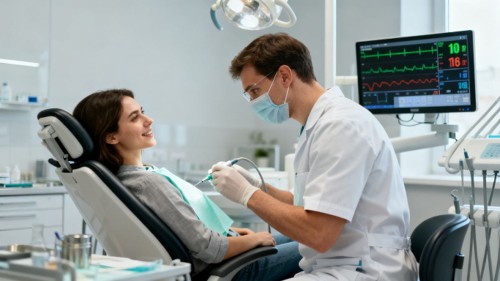
Many people feel a sense of dread when they hear the buzzing of a dental drill. For those with significant anxiety, IV sedation dentistry provides a way to undergo necessary care without the typical stress responses that make visits so difficult. The team at Pacific Northwest Prosthodontics in Spokane finds that understanding the mechanics helps remove the mystery surrounding this option and allows patients to approach their appointments with more confidence.
What Does IV Sedation Actually Feel Like at the Dentist?
You remain conscious throughout the entire experience, but most people feel deeply relaxed and detached from the environment. Because the medication often creates a mild amnesia effect, you might feel as though you simply blinked and the time passed, or you might have very fuzzy memories of the procedure itself. It is a profound sense of comfort that helps even the most nervous patients stay completely still while the doctor completes complex restorative work.
| Sedation Type | Level of Awareness | Recovery Time |
|---|---|---|
| Nitrous Oxide | Fully alert | Instant |
| Oral Sedation | Drowsy | 4-6 hours |
| IV Sedation | Deeply relaxed | 6-24 hours |
This table illustrates why IV sedation is favored for longer procedures where the patient needs to remain stable and calm for an extended duration. The recovery is longer than inhaling gas, but the quality of the procedure remains consistently high because you are not reacting to physical discomfort.
IV Sedation vs. General Anesthesia: What's the Difference?
People often confuse deep sedation with full general anesthesia, but the two exist on different ends of the spectrum. General anesthesia renders you completely unconscious and requires breathing support, whereas IV sedation keeps you responsive to the dentist while minimizing anxiety. This conscious approach is often used during longer oral and maxillofacial surgery sessions to ensure both safety and predictability.
Is IV Sedation Safe for Dental Work?
Safety is the primary focus of any sedation provider, and the team monitors vitals like heart rate, oxygen levels, and blood pressure continuously throughout the session. According to the American Dental Association, sedation and anesthesia are safe when administered by properly trained providers who follow established monitoring guidelines. It is a controlled environment designed to mitigate the risks associated with general anesthesia while still providing deep relaxation.
How Long Does IV Dental Sedation Last?
The effects typically last only for the duration of the visit, plus a lingering period of grogginess afterward. Depending on the exact dosage and the patient's individual metabolism, most people start to wake up as soon as the dentist finishes the work. A trained provider carefully titrates the dosage so that the sedation wears off close to when the chair time concludes.
Who Is a Good Candidate for IV Sedation Dentistry?
Not everyone requires this level of care, but it is an excellent choice for those who have struggled with traditional dental environments in the past. If you have significant health concerns, a sensitive gag reflex, or specific dental phobias, you should discuss these factors with the doctor to see if you are a candidate. Consider these characteristics if you are trying to decide if this approach fits your needs:
- Severe anxiety that prevents you from keeping dental appointments.
- A need for multiple complex treatments in a single sitting.
- Sensitivity to needles or drilling sounds that cause physical agitation.
- An inability to sit still for the length of a typical dental repair.
If you meet these criteria, you are likely to have a much better outcome by using a technique that keeps you physically and emotionally calm. A well-equipped practice will have monitoring protocols in place for exactly these circumstances.
What to Expect Before, During, and After IV Sedation
Before the appointment, you will likely need to follow specific fasting instructions to keep your system clear for the medication. Once you arrive, the staff connects monitoring equipment to track your baseline vitals before the sedation begins. Our office visits page covers what to expect at your first appointment, and this preparation minimizes surprises so the team can focus entirely on both your oral health and your comfort.
Why Sedation Should Only Be Administered by a Trained Provider
Administering medication into the bloodstream requires specialized training because the provider must adjust the depth of relaxation in real time. A trained professional is prepared to handle any immediate physiological changes, ensuring that the office remains a safe place even if someone reacts differently to the sedative. This expertise is the reason why your choice of provider is just as important as the decision to use sedation itself.
Conclusion
IV sedation dentistry transforms difficult dental appointments into manageable, stress-free events for those who need extra support. By relying on professional oversight and personalized medication plans, it is possible to achieve the oral health goals you have set without the lingering fear of the chair. If dental anxiety has kept you from care, request an appointment at our Spokane office to discuss your options.
Frequently Asked Questions
Will I be completely asleep during the procedure?
You remain in a state of conscious sedation, meaning you can respond to the dentist, but you will feel so relaxed that you may drift in and out of a light sleep.
How long until I feel back to normal?
While the main effects wear off shortly after the procedure ends, you should plan for a full day of rest as the sedative agents slowly leave your system.
Is it normal to have gaps in my memory?
Partial memory loss is a common and expected side effect of the anti-anxiety medications used, often making the procedure feel much shorter than it actually was.
Do I need someone to drive me home?
Yes, because the medication impairs your motor skills and reaction times, it is strictly required that a friend or family member drives you home after your appointment.
Does the sedation block all pain?
The sedative is primarily for anxiety and relaxation, so your dentist will still use local anesthesia to ensure the specific area being treated is completely numb.
About the Author
Pacific Northwest Prosthodontics in Spokane Valley, WA is led by prosthodontic specialists Dr. Michael Brooks and Dr. Michael Johnson. The practice provides comprehensive restorative care including full-arch implant reconstruction, dentures, crowns, bridges, oral and maxillofacial surgery, and maxillofacial prosthetics, with a focus on patient comfort throughout every stage of treatment.
Medical Disclaimer
The information provided in this article is for educational purposes only and does not constitute professional medical, dental, or orthodontic advice, diagnosis, or treatment. Always seek the advice of your dentist or other qualified health provider with any questions you may have regarding a medical condition or treatment. Never disregard professional medical advice or delay in seeking it because of something you have read here.
Blog Post Author

Contributed by DentalROI
DentalROI provides relevant dental content to help providers educate patients. The statements, services, and products referenced in this article have not been evaluated by the Food and Drug Administration, and they are not intended as a substitute for professional medical advice, diagnosis, or treatment. Always seek the advice of your dental provider with any questions or issues you may have. Specific recommendations may vary in different circumstances, so individual consultation is important.
