
How Long Will It Take to Get Your Dentures? Step-by-Step Guide
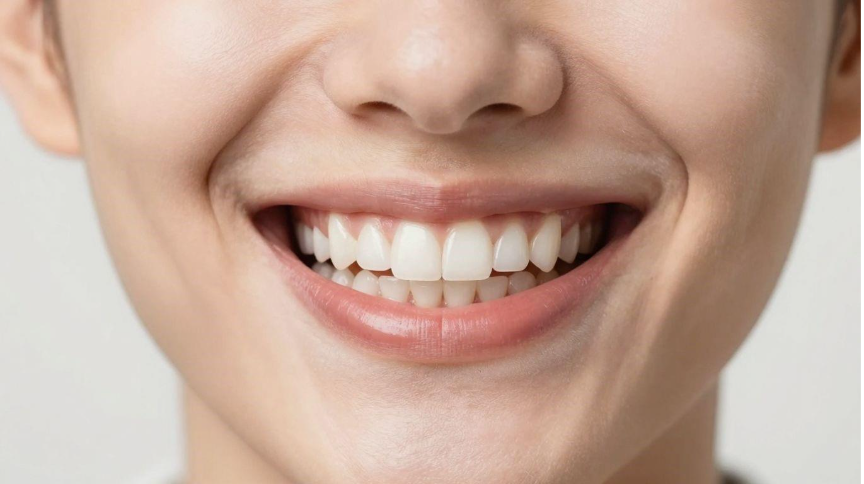
Thinking about getting dentures? It's a big step towards getting your smile and eating habits back on track. But one of the first things people wonder about is the timeline. How long does the whole process take, from that first chat with the dentist to having your new teeth? It's not a simple answer because everyone's situation is a bit different. Let's break down what goes into getting dentures and what you can expect.
Key Takeaways
- The time it takes to get dentures can vary quite a bit, depending on individual needs like whether teeth need to be removed and how long healing takes.
- For patients needing tooth extractions, the healing period typically lasts about 6 to 8 weeks before the denture process can fully move forward.
- Immediate dentures can be fitted on the same day as tooth removal, but they often need adjustments as the gums heal and change shape over several months.
- Conventional dentures usually take between 3 to 5 weeks to fabricate after impressions are taken, involving lab work and try-in appointments.
- Factors like the type of denture (full, partial, implant-supported, or digital) and the complexity of the case can significantly influence the overall timeline.
Why Denture Timelines Vary from Patient to Patient
It's a common question, and honestly, there's no single answer to how long getting dentures takes. Think of it like building a custom house – everyone's needs are a bit different, and that affects the schedule. Several factors play a role, and understanding them can help you know what to expect.
One of the biggest variables is whether you need any teeth removed before getting your dentures. If extractions are part of the plan, your mouth needs time to heal. This healing period is really important for a good final fit, and it can add several weeks to the overall process. The number of teeth removed and their location can also influence how long healing takes.
Then there's the type of dentures you're getting. Immediate dentures, for example, are placed right after extractions, so you get them the same day. However, they are temporary and will need adjustments or replacement as your gums heal and change shape over the next few months. Conventional dentures, on the other hand, are made after your mouth has healed, which means a longer wait upfront but a more stable final product. For those wondering about how long does it take to get a partial denture, these often require careful fitting to work with your remaining natural teeth, which can sometimes extend the fabrication time slightly compared to full dentures.
Your body's own healing speed is another factor that's completely unique to you. Some people heal faster than others, and this directly impacts when impressions can be taken or when final adjustments can be made. The complexity of your case also matters; things like significant bone loss or other oral health issues might require more planning and time.
The journey to new dentures isn't always a straight line. It involves careful steps, from initial planning to the final placement, and each stage is tailored to your specific oral health situation. Patience during the healing and fabrication phases is key to a comfortable and functional result.
Finally, the actual fabrication process in the dental lab and the number of try-in appointments needed can also affect the timeline. While labs work diligently, sometimes there are backlogs. Similarly, if multiple fittings are needed to get the bite and feel just right, that adds time. We always aim for efficiency, but your comfort and the quality of your dentures are the top priorities.
The Initial Evaluation and Treatment Planning Phase
Before any work begins on your new smile, there's an important first step: the initial evaluation and treatment planning phase. This is where your dental professional gets to know you, your oral health, and what you're hoping to achieve with dentures. It's a really thorough process designed to make sure the final result is exactly what you want and need.
During this visit, a detailed examination of your mouth will take place. This includes checking your gums, jawbone, and any remaining teeth. The goal is to understand the current state of your oral health and identify any potential issues that might affect the denture process. X-rays or other imaging might be taken to get a clearer picture of what's happening beneath the surface. This helps in creating a personalized treatment plan tailored specifically for you. It's also your chance to ask questions and discuss your expectations. Think of it as building the blueprint for your new teeth. This phase is key to a smooth and successful denture journey, and it sets the stage for everything that follows. It's all about making sure the plan is right before any actual work starts on your custom dentures.
Here's what typically happens during this phase:
- Oral Examination: A thorough check of your gums, jaw, and any existing teeth.
- Discussion of Needs: Talking about your goals, concerns, and what you're looking for in a denture.
- Diagnostic Records: This might include X-rays, photographs, or impressions to get a complete picture of your mouth.
- Treatment Plan Development: Creating a step-by-step plan outlining the proposed treatment, timeline, and costs.
This initial phase is critical. It's not just about looking at your teeth; it's about understanding your overall oral health and how dentures will fit into your life. A well-thought-out plan here means fewer surprises and a better outcome later on.
Tooth Removal and Healing (When Extractions Are Needed)
If you need to have teeth removed before getting dentures, this part of the process is pretty important. It's not just about pulling teeth; it's about giving your mouth the time it needs to get ready for its new set of chompers. This healing period is a big deal for how well your dentures will eventually fit and feel.
The healing process after extractions is a critical step for a proper denture fit.
When teeth are extracted, your gums and jawbone need time to recover. This isn't an instant thing. Swelling is normal right after surgery, and your gums will gradually shrink and reshape as they heal. Trying to make dentures before this is complete can lead to a poor fit later on. Think of it like trying to build a house on uneven ground – it's just not going to be stable.
Here’s a general idea of what happens and the timeline involved:
- Extraction: This is the actual removal of the teeth. Depending on how many teeth need to come out and their condition, this might be a single appointment or spread over a few. Your dentist will use local anesthesia to keep you comfortable.
- Initial Healing: Right after extractions, you'll likely have gauze placed to help with bleeding. You might also need stitches. The first few days are about managing discomfort and keeping the area clean.
- Gum and Bone Reshaping: This is the main healing phase. Your gums will start to heal, and the bone underneath will begin to remodel. This is where the significant changes happen that affect denture fit. This period typically takes about 6 to 9 weeks, though it can vary.
- Impressions for Dentures: Once your dentist determines your gums have healed sufficiently, they'll take impressions of your mouth. These molds are super precise and capture the current shape of your gums and jaw, which is what the lab uses to create your custom dentures.
It's really important to follow your dentist's post-extraction care instructions. This usually includes things like:
- Gently rinsing your mouth with saltwater to help with healing and reduce swelling.
- Avoiding straws, smoking, and vigorous spitting, as these can disrupt the healing sites.
- Keeping the extraction sites clean by gently brushing your remaining teeth and gums.
Immediate Dentures vs. Conventional Dentures: Timeline Differences
When you're looking into getting dentures, you'll likely hear about two main types: immediate and conventional. They both aim to replace missing teeth, but their timelines are quite different, and understanding this can help you figure out what to expect.
Immediate dentures are designed to be placed right after your teeth are removed. This means you won't have to go through a period of being without teeth. They're essentially made beforehand based on preliminary impressions. While this sounds great for immediate function and appearance, it's important to know that these dentures will need adjustments. As your gums and bone heal after extractions, they change shape. This means the fit of your immediate dentures will likely change too, requiring follow-up appointments for relines or modifications over the next few months. So, while you get them right away, the process of getting them to fit perfectly can take longer.
Conventional dentures, on the other hand, are made after your mouth has had time to heal from any necessary extractions. This healing period can take several weeks to a few months. Once your gums have stabilized, impressions are taken to create dentures that are specifically fitted to your healed mouth. This usually means a more stable fit from the start, but it also means a longer wait before you receive your final set. The fabrication process itself, including try-ins and adjustments, typically takes several weeks.
Here's a general idea of the timelines:
- Immediate Dentures: Placed same-day as extractions. Require adjustments and relines over 3-6 months as healing progresses.
- Conventional Dentures: Fabrication begins after healing. The process from impressions to final fitting usually takes about 4-8 weeks.
The Denture Fabrication Process
Once the impressions are taken, they're sent off to a dental laboratory. This is where the actual creation of your custom dentures happens. Think of the lab technicians as skilled artisans who use these molds to craft your new smile.
The time it takes for the lab to fabricate dentures can vary. Generally, you can expect this stage to take anywhere from two to four weeks. This timeline depends on a few things, like how busy the lab is and the complexity of your specific case. If you're getting immediate dentures, some of this fabrication might happen before your teeth are extracted, while conventional dentures are made after healing.
Here's a general idea of what happens at the lab:
- Wax Try-Ins: Before the final material is used, a wax version of your denture is often created.
- Material Processing: Once the wax try-in is approved, the denture base and teeth are processed into their final form using durable acrylics and other materials.
- Finishing and Polishing: The final steps involve carefully finishing and polishing the dentures to ensure they are smooth, comfortable, and look natural.
Wrapping Up Your Denture Journey
So, how long does it all take? Well, it really depends. For many folks getting traditional dentures, the process from start to finish usually lands somewhere between three to six weeks. But remember, this is just an average. If you need teeth removed first, that healing time adds a few months. Immediate dentures get you smiling right away after extractions, but they'll need adjustments as your mouth changes. Newer digital methods can sometimes speed things up quite a bit. The most important thing is that your dentist works with you to get the fit and feel just right, even if it means a few extra appointments. It’s a process, for sure, but the goal is always a comfortable, confident smile at the end.
Frequently Asked Questions
Can the denture process be made faster?
Yes, some newer methods like digital dentures can speed things up, sometimes to just a few days. Immediate dentures are also an option if you need them right away after having teeth removed, but they will need adjustments later as your mouth heals.
What if my new dentures don't fit right after waiting?
It's normal for dentures to need small tweaks to fit perfectly. Your dentist will schedule follow-up visits to make these adjustments. If there are bigger problems, they might suggest relining them or, in rare cases, making a new set.
How long until I can eat normally with my new dentures?
You can start with soft foods right after getting your dentures. It usually takes about 2 to 4 weeks to get used to eating a wider variety of foods. Some foods might always need a bit more care.
Are there differences in how long it takes to get dentures in different places?
Yes, especially if you're using certain insurance plans. Sometimes, public programs can lead to longer waits in busy areas. However, private care timelines are generally similar everywhere.
What's the main timeline difference between immediate and regular dentures?
Immediate dentures are put in the same day teeth are removed. They take about 3 to 6 months to fully adjust as your mouth heals. Regular dentures are made after your mouth has healed, usually taking 3 to 6 weeks to create, and tend to fit better from the start.
What happens after I get my dentures?
Getting your dentures is just the beginning. Most people need a few follow-up appointments in the first month. These visits help make sure the dentures are comfortable and fit well as your mouth adjusts.
Blog Post Author

Contributed by DentalROI
DentalROI provides relevant dental content to help providers educate patients. The statements, services, and products referenced in this article have not been evaluated by the Food and Drug Administration, and they are not intended as a substitute for professional medical advice, diagnosis, or treatment. Always seek the advice of your dental provider with any questions or issues you may have. Specific recommendations may vary in different circumstances, so individual consultation is important.
