
Full Arch Dental Implants What You Should Know
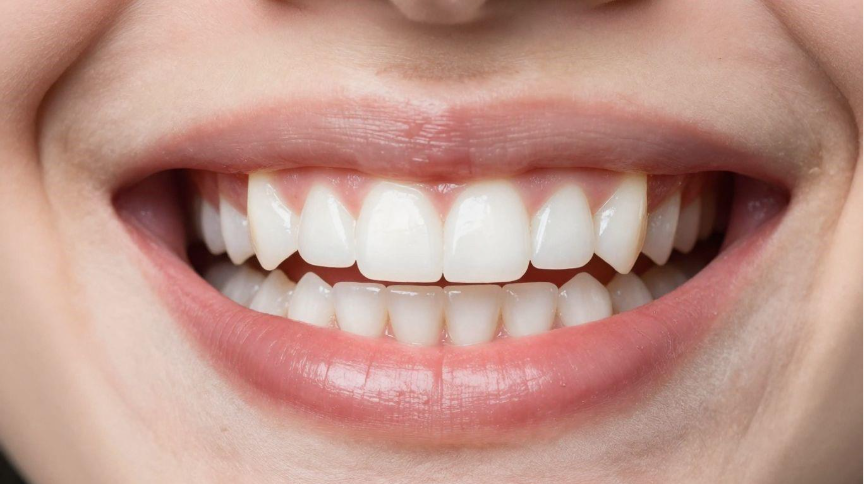
Losing teeth can feel like a big deal, impacting how you eat, speak, and even how you feel about your smile. But if you're facing the loss of many or all of your teeth in one jaw, there's a solution that offers a stable and natural-looking replacement: full arch dental implants. This approach replaces a full set of teeth using implants anchored directly into your jawbone. It's a way to get a secure, functional, and attractive smile back, and this article will break down what that means for you.
Key Takeaways
- Full arch dental implants are a way to replace all the teeth in an upper or lower jaw using implants fixed into the jawbone for stability.
- The term 'arch' in dental implants refers to the entire row of teeth in either the upper or lower jaw.
- Procedures like All-on-4, All-on-6, or All-on-8 use a specific number of implants to support a full set of replacement teeth.
- These implants offer benefits like improved chewing, a natural look and feel, and prevention of further jawbone loss compared to traditional dentures.
- Candidates should have sufficient jawbone health, though options exist for those with some bone loss, and maintaining good oral hygiene is key for long-term success.
Understanding Full Arch Dental Implants
When people talk about replacing all their teeth, they often mention "full arch dental implants." But what exactly does that mean? Essentially, an "arch" in dental terms refers to either the entire upper set of teeth or the entire lower set of teeth. So, full arch dental implants are a way to replace all the teeth in one arch, either your top or bottom jaw, using a fixed prosthetic supported by dental implants.
This isn't like traditional dentures that you can take out. Instead, these implants are surgically placed into your jawbone, providing a stable foundation for a new set of teeth that look and feel very natural. It's a pretty significant step up from dentures, which can sometimes feel loose or uncomfortable. These implants are designed to be a permanent solution, giving you back the ability to eat, speak, and smile with confidence.
Think of it this way:
- Stability: Unlike dentures that can shift, implants are anchored directly into the bone.
- Functionality: They restore much of your natural chewing power, letting you enjoy a wider variety of foods.
- Aesthetics: The goal is to create a smile that looks and feels like your own natural teeth.
This approach is a major advancement for anyone who has lost most or all of their teeth. It offers a way to regain not just your smile, but also a significant part of your quality of life. If you're curious about restoring your smile with full arch dental implants, understanding this foundational concept is the first step.
The idea behind full arch dental implants is to provide a stable, long-lasting, and natural-looking replacement for an entire set of missing teeth. It's about restoring function and confidence in a way that traditional methods often can't match.
How Full Arch Dental Implants Work
So, how exactly do these full arch dental implants work to give you a whole new set of teeth? It's pretty clever, actually. Instead of relying on suction or adhesives like traditional dentures, full arch implants are anchored directly into your jawbone. Think of them as a sturdy foundation for your new smile.
When we talk about what is an arch in dental implants mean, we're referring to replacing all the teeth in either your upper or lower jaw. This is achieved by strategically placing a specific number of dental implants – usually between four and eight – into the jawbone. These implants act like artificial tooth roots.
Here's a simplified breakdown of the process:
- Implant Placement: Small titanium posts are surgically placed into the jawbone where your teeth are missing. These posts are designed to fuse with your bone over time, creating a solid base. This fusion process is key to the stability of the entire restoration.
- Abutment Attachment: Once the implants have healed and integrated with the bone, small connectors called abutments are attached to them. These act as a bridge between the implants and your new teeth.
- Prosthesis Attachment: Finally, a custom-made bridge or denture, containing your new artificial teeth, is attached to the abutments. This results in a fixed, stable, and natural-looking set of teeth that function much like your original ones.
Different approaches exist, like the "All-on-4" or "All-on-6" systems. The numbers refer to how many implants are used to support the entire arch of replacement teeth. More implants generally mean more support and stability, but the best option depends on your individual bone structure and needs.
Essentially, what is a dental implant arch is a complete tooth replacement system that uses implants as anchors for a full set of prosthetic teeth, offering a secure and long-lasting solution.
Who May Be a Candidate for Full Arch Dental Implants
So, who exactly is a good fit for full arch dental implants? It's a fantastic option for folks who've lost most or all of their teeth, but it's not a one-size-fits-all solution. A really important factor is having a strong jawbone. The implants need a solid foundation to anchor into, so if there's been bone loss, a bone graft might be necessary, or perhaps a system like All-on-4, which is designed to work better even with less bone.
Healthy gums are also a big deal. Gum disease can mess with healing, so that needs to be under control. Certain health issues, like diabetes or autoimmune conditions, can sometimes slow down healing, but if they're well-managed, you might still be a candidate. And, well, smoking can increase the chances of implants not working out, so quitting is definitely recommended.
If you've struggled with traditional dentures – maybe they slip, feel uncomfortable, or make eating a hassle – full arch implants could be a game-changer. They offer a stable, natural-feeling replacement that lets you eat, speak, and smile with confidence.
- Significant tooth loss: Needing to replace all teeth in an arch (upper or lower).
- Jawbone health: Sufficient bone density or the possibility of grafting.
- Gum health: Absence of active gum disease.
- Overall health: Manageable chronic conditions.
- Commitment to care: Willingness to follow post-procedure instructions and maintain good oral hygiene.
It's worth noting that while the initial investment for full arch implants is higher than for dentures, they often prove more cost-effective over the long haul. Because they're built to last and don't require frequent replacements or adjustments like dentures do, they can save money and hassle down the road.
The Full Arch Dental Implant Process
Getting a full arch dental implant is a journey that starts with a thorough look at your mouth and overall health. It's not a quick fix, but more of a planned restoration.
Here's a general idea of what to expect:
- Initial Consultation and Planning: This is where it all begins. Your dental professional will examine your mouth, take X-rays, and possibly use 3D imaging to get a clear picture of your jawbone and gums. They'll discuss your needs, expectations, and whether a full arch implant is the right path for you. This is also the time to ask all your questions and understand the proposed treatment plan.
- Implant Placement Surgery: Once everything is planned, the surgical part comes next. Small titanium posts, which are the implants, are carefully placed into your jawbone. These act as the anchors for your new teeth. Depending on the specific technique used, this might involve placing four, six, or even more implants across the arch.
- Healing and Osseointegration: This is a really important phase. Your jawbone needs time to grow around and fuse with the titanium implants. This process, called osseointegration, can take several months. During this period, you might wear a temporary set of teeth so you don't have to go without.
- Abutment Placement: After the implants have successfully integrated with your bone, a small connector piece called an abutment is attached to each implant. This piece will stick out slightly from the gum line and serve as the base for your new teeth.
- Final Prosthesis Placement: Finally, your custom-made full arch of replacement teeth is attached to the abutments. These are designed to look, feel, and function like natural teeth. The goal is to give you a stable, comfortable, and attractive smile that you can be confident in.
It's a multi-step process, and patience is key. Each stage is designed to build a strong foundation for your new smile.
Key Benefits of Full Arch Dental Implants
Full arch dental implants offer a way to replace a whole set of missing teeth, and they come with a bunch of advantages over older methods. Think of it as getting a whole new, stable smile that feels and works a lot like your natural teeth.
One of the biggest pluses is how secure they are. Unlike regular dentures that can sometimes shift or feel loose, especially when you're eating or talking, full arch implants are anchored directly into your jawbone. This means they stay put, giving you the confidence to laugh, speak, and eat without worry. It’s a pretty big deal for feeling comfortable in everyday situations.
- Stability and Security: Because they're fixed into the jawbone, these implants don't move. This provides a solid foundation for chewing and speaking.
- Natural Look and Feel: The replacement teeth are custom-made to match your natural ones in color, shape, and size, so your smile looks and feels very much like it used to.
- Improved Chewing Ability: With a stable set of teeth, you can enjoy a wider range of foods, including tougher items, which can also help with digestion and getting proper nutrition.
- Preservation of Jawbone: When you lose teeth, the jawbone can start to shrink. The implants act like natural tooth roots, stimulating the bone and helping to prevent this loss, which keeps your facial structure looking more natural.
- Long-Term Solution: While dentures might need adjustments or replacements over time, full arch implants are designed to last for many years, often a lifetime, with good care. This can make them a more cost-effective choice in the long run.
- Easier Oral Hygiene: You can brush and floss them just like natural teeth, without the need for special cleaning solutions or adhesives.
- Enhanced Speech: Because they don't move around, full arch implants can help improve your ability to speak clearly.
Many people find that having a full, stable smile significantly boosts their self-confidence. It's not just about appearance; it's about feeling more like yourself and engaging more freely in social interactions.
While the initial investment might seem higher than for traditional dentures, the long-term benefits, including durability and improved quality of life, make full arch dental implants a worthwhile consideration for many.
Wrapping Up Your Full Arch Dental Implant Journey
So, if you're dealing with the challenges of losing most or all of your teeth, full arch dental implants really do offer a way back to a confident, functional smile. They're designed to feel and work like your own teeth, giving you back the ability to eat what you want and speak without hesitation. While it's a significant step, the long-term benefits for your health and self-esteem are pretty substantial. It’s definitely worth talking to your dentist about whether this solution fits your specific situation. Getting all your teeth replaced with implants can truly change things for the better.
Frequently Asked Questions
-
What exactly are full arch dental implants?
Full arch dental implants are a way to replace all of your teeth in either the top or bottom part of your mouth. Instead of using a few implants to hold up a whole set of teeth, they are attached directly to your jawbone. This makes them feel very secure and function much like your natural teeth.
-
How are full arch implants different from regular dentures?
Regular dentures just rest on your gums and can sometimes slip or feel loose, especially when eating or talking. Full arch implants, however, are anchored into your jawbone with multiple implants. This means they don't move and offer a much more stable and natural feeling, allowing you to eat and speak with confidence.
-
What are the main types of full arch implant systems?
The most common types are All-on-4, All-on-6, and All-on-8. The numbers refer to how many implants are used to support the full set of replacement teeth. More implants generally mean more stability and better support, but the best option depends on your individual needs and jawbone health.
-
Can I eat normally with full arch dental implants?
Yes, you can! Because full arch implants are firmly attached to your jawbone, they provide strong chewing power. This means you can enjoy a wide variety of foods, including tougher or crunchier items, much like you would with your natural teeth.
-
How long do full arch dental implants typically last?
With proper care and regular dental check-ups, full arch dental implants are designed to last a very long time, often for decades. They are made from durable materials and fuse with your jawbone, making them a long-lasting solution compared to traditional dentures that may need replacing more often.
-
Is the process for getting full arch implants complicated?
Getting full arch implants involves several steps, starting with a thorough consultation and planning session. This is followed by surgery to place the implants, a healing period for them to fuse with your jawbone, and finally, the attachment of your new, natural-looking teeth. Your dental team will guide you through each stage.
Blog Post Author

Contributed by DentalROI
DentalROI provides relevant dental content to help providers educate patients. The statements, services, and products referenced in this article have not been evaluated by the Food and Drug Administration, and they are not intended as a substitute for professional medical advice, diagnosis, or treatment. Always seek the advice of your dental provider with any questions or issues you may have. Specific recommendations may vary in different circumstances, so individual consultation is important.
