
All-on-4 vs. All-on-6 Dental Implants: Which Is Better?
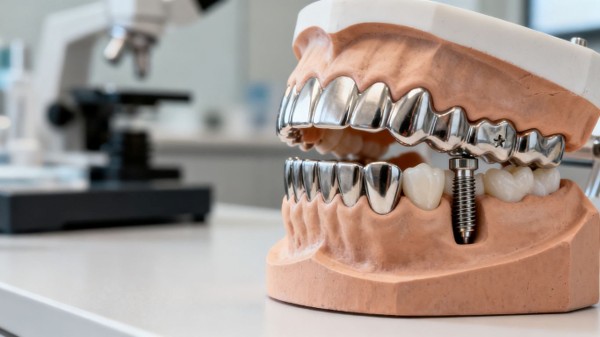
Deciding to restore your smile with a full-arch implant procedure is a significant commitment that impacts your daily comfort and long-term health. Selecting the right foundation for your prosthetic teeth ensures that your bite functions effectively and remains stable for years. The team at Pacific Northwest Prosthodontics in Spokane helps patients understand the specific mechanics and structural support offered by two popular systems.
What's the Real Difference Between All-on-4 and All-on-6?
At its core, the primary distinction between these two systems involves the physical number of titanium posts anchored into the jawbone. The All-on-4 method utilizes four strategically placed implants, with two aimed vertically in the front and two tilted at the back to secure support where bone density is usually highest. In contrast, the All-on-6 approach integrates two additional implants, distributing the chewing load across six points. This difference in design often dictates the level of stability a patient experiences during high-pressure activities like chewing tough foods, as the increased anchoring points can alleviate concentrated tension on individual components.
Benefits of All-on-6 Dental Implants Over All-on-4
Choosing the optimal restoration depends on your specific oral anatomy and history. While both methods provide a permanent alternative to traditional dentures, the structural advantages of a six-implant design often appeal to patients seeking maximum reinforcement for their prosthetic arch. Determining which path aligns with your long-term goals involves evaluating how these implants interact with your remaining natural bone.
Which Option Is Better for Your Jawbone and Bite?
Determining the better option often comes down to your jawbone volume and the amount of force you exert when chewing. Many clinicians find that the All-on-6 system provides superior distribution for patients who need consistent, reliable performance over time. Consider these primary factors when discussing your needs with a restorative specialist:
- Improved load-bearing capacity for natural-feeling chewing force.
- Enhanced stability by reducing potential strain on individual screws.
- Better support for back molars which handle the highest pressure.
- Greater distribution of bite force across a larger surface area.
Integrating extra support into your treatment plan can mean the difference between maintenance-heavy care and a truly robust long-term result. Patients who prioritize a secure feel while eating often find that higher implant counts translate into fewer complications over a multi-year period compared to the more conservative four-implant approach.
Cost, Timeline, and Candidacy Differences Explained
Prosthodontists evaluate your unique oral health profile using digital imaging and 3D scans to suggest the best route. Factors like bone density, the presence of gum disease, and your budget all play into the final recommendation for your dental implant procedure. A consultation typically clarifies which method offers the best value relative to your specific dental requirements.
How Your Prosthodontist Determines the Right Number of Implants
When reviewing your options, your clinician will weigh specific criteria against the requirements of each system design. The following table provides a general comparison of how these variables might fluctuate depending on the scope of your restoration plan.
| Feature | All-on-4 Approach | All-on-6 Approach |
|---|---|---|
| Typical Implant Count | 4 Posts | 6 Posts |
| Bone Grafting Need | Frequently avoids it | May be required |
| Force Distribution | Standard support | High-level stability |
These variables are assessed during your initial diagnostic sessions to ensure the treatment plan matches your physical status. While All-on-4 might reduce the complexity of the surgery by requiring less initial bone, the All-on-6 route offers an extra buffer of strength that some patients deem necessary for their daily bite requirements. Our doctors use these data points during planning to demonstrate the predicted outcome for patients.
Long-Term Durability: All-on-4 vs. All-on-6
Investing in a permanent smile requires foresight regarding how materials hold up against decades of daily usage. According to the American Academy of Implant Dentistry, dental implants have a long track record of success when properly placed and maintained. By consulting with experts who utilize advanced scanning and an on-site lab, you can visualize the intended durability before any surgical steps commence.
Questions to Ask Before Choosing Your Full-Arch Solution
When you sit down with your specialist, inquire about the projected lifespan of the hardware and how regular follow-ups sustain that performance. Knowing the impact of your bone density on the long-term success of the anchors is critical for setting expectations. Ask your provider about how the specific mechanical design chosen will adapt to your aging jaw over time, and ensure you understand the necessary maintenance cycle required to protect your investment.
Conclusion
Selecting between these restorative solutions relies on understanding your specific jaw support needs compared to the simplicity of the placement process. By focusing on your long-term comfort and the structural stability required for daily chewing, you can make a choice that enhances your life for years. To discuss which full-arch solution fits your needs, request an appointment at our Spokane office.
Frequently Asked Questions
Why do some patients require more implants than others?
Individual bone structure, the density of the jaw, and the amount of force exerted by your natural bite dictate how many anchors are necessary to safely hold a fixed arch in place.
Does recovery time vary significantly between these two methods?
Recovery can be slightly longer for procedures involving more implants or bone grafting, but your clinician will provide a tailored timeline based on your specific surgery.
Is bone grafting always required for an All-on-6 procedure?
Bone grafting is not always necessary, but your dentist will determine if your specific jaw anatomy needs extra volume to accommodate the increased number of implants safely.
How long do these implants typically last?
With proper oral hygiene and consistent professional follow-up care, dental implants are designed to function for many years, often becoming a permanent part of your dental structure.
Will my insurance cover these implant surgeries?
Insurance coverage for dental implants varies widely between plans, so it's necessary to check your specific benefits and discuss available payment options directly with your dental office staff.
About the Author
Pacific Northwest Prosthodontics in Spokane Valley, WA is led by prosthodontic specialists Dr. Michael Brooks and Dr. Michael Johnson. The practice has completed more All-on-4 cases than any other prosthodontic practice in Washington State, and its on-site lab allows precise control over every restoration. Both doctors focus on full-arch implant reconstruction, dentures, crowns, bridges, and maxillofacial prosthetics.
Medical Disclaimer
The information provided in this article is for educational purposes only and does not constitute professional medical, dental, or orthodontic advice, diagnosis, or treatment. Always seek the advice of your dentist or other qualified health provider with any questions you may have regarding a medical condition or treatment. Never disregard professional medical advice or delay in seeking it because of something you have read here.
Blog Post Author

Contributed by DentalROI
DentalROI provides relevant dental content to help providers educate patients. The statements, services, and products referenced in this article have not been evaluated by the Food and Drug Administration, and they are not intended as a substitute for professional medical advice, diagnosis, or treatment. Always seek the advice of your dental provider with any questions or issues you may have. Specific recommendations may vary in different circumstances, so individual consultation is important.
