
All-on-4 vs Traditional Dentures: What's the Real Difference?
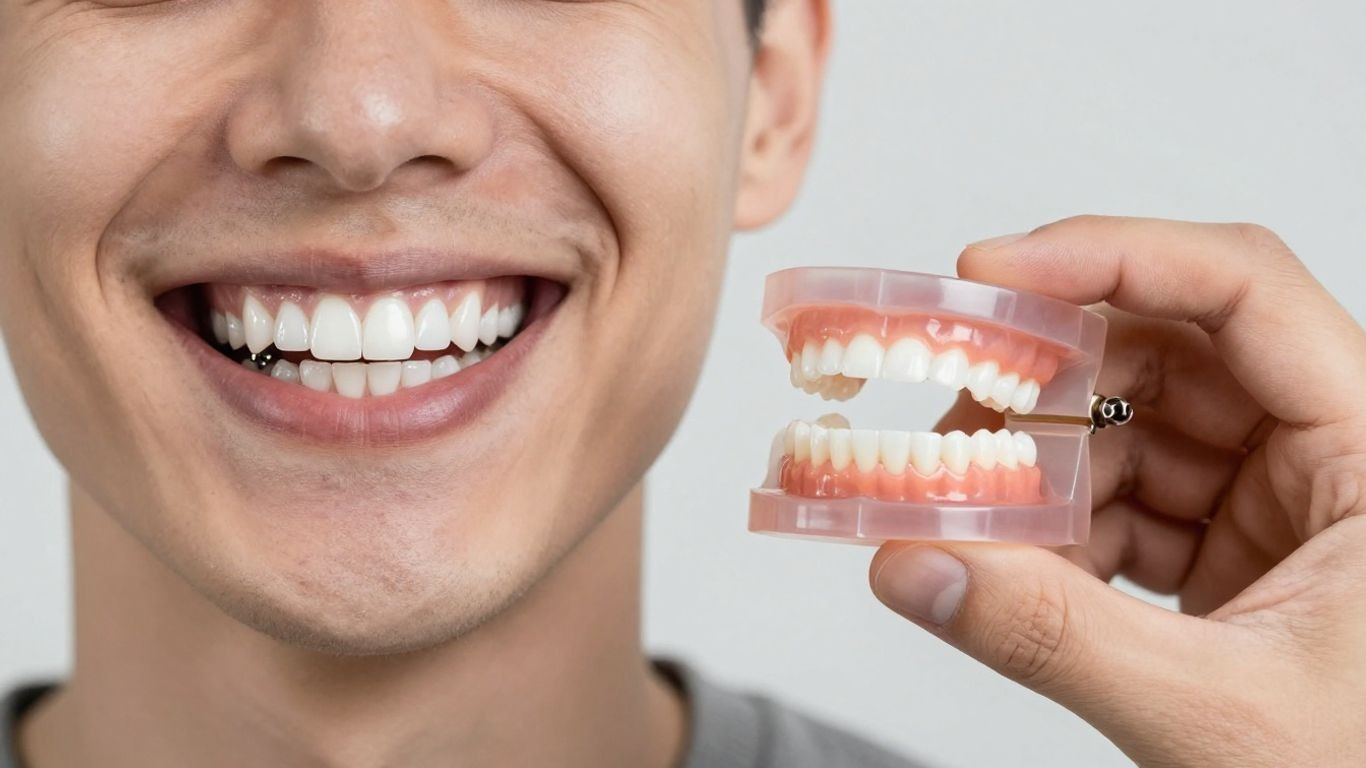
So, you're looking into replacing missing teeth, and you've heard about All-on-4 implants and traditional dentures. It can be confusing trying to figure out which is best for you. Both can give you a full set of teeth, but they work pretty differently. Let's break down the real differences between all on 4 vs traditional dentures, so you can make a choice that feels right.
Key Takeaways
- All-on-4 implants are surgically placed into your jawbone, acting like artificial roots for a permanent set of teeth. Traditional dentures, on the other hand, are removable and sit on your gums, often needing adhesives.
- All-on-4s offer superior stability and security, meaning no slipping or shifting when you eat, talk, or laugh. Traditional dentures can sometimes move, making these activities less predictable.
- Unlike dentures, All-on-4 implants stimulate your jawbone, helping to prevent bone loss and maintain your facial structure over time. Dentures don't provide this bone stimulation.
- While the initial cost of All-on-4 implants is higher than traditional dentures, they often prove more cost-effective long-term due to their durability and reduced need for adjustments or replacements.
- Caring for All-on-4 implants is similar to caring for natural teeth – regular brushing and flossing. Traditional dentures require daily removal, soaking, and special cleaning routines.
All-on-4 vs Traditional Dentures: What's the Difference?
So, you’ve probably seen the terms "All-on-4" and "traditional dentures" floating around if you’re looking at tooth replacement, but what do they actually mean for you? The real difference between all on 4 vs traditional dentures is how they fit, feel, and what your life looks like after you get them. Let’s get specific.
How do All-on-4 implants work compared to dentures?
Here’s a quick overview that lays out the practical differences:
Feature
All-on-4 Implants
Traditional Dentures
How they stay in place
4 implants anchored in jawbone
Rest on gums (suction/adhesive)
Removable?
No – fixed by your dentist
Yes, you take them out daily
Chewing strength
Nearly like natural teeth
Reduced, avoids hard foods
Bone preservation
Keeps jaw stronger, prevents bone loss
Jawbone shrinks over time
Maintenance
Brush and floss like real teeth
Requires soaking and adhesives
Comfort & fit
Custom, doesn’t move or irritate
May slip or cause sore spots
Longevity
Implants can last decades
Usually replaced every 5-10 years
- A few things really stand out if you’re stuck on the all on 4 vs traditional dentures question:
- All-on-4 is literally anchored into your jaw, so they don’t shift or fall out when you’re eating or talking.
- With dentures, get ready for the taste of denture adhesives and maybe more visits to get them refitted as your bone changes.
- You’ll probably be able to eat steak or crunch an apple with All-on-4—but maybe skip those with dentures.
- The main reason people say All-on-4 feels more like having your real teeth back is the stability and comfort from the implants—not having to worry about slipping teeth or soaking them overnight.
If you’re figuring out which option works for you, it often comes down to how permanent you want the solution, how comfortable you want to be, and your budget. We’ll hit those details in later sections, but now you know the nuts and bolts difference on the all on 4 vs traditional dentures debate.
Are All-on-4 Implants Better Than Traditional Dentures?
So, are All-on-4 implants really a step up from the dentures your grandparents might have worn? For a lot of people, the answer is a big yes. When we talk about all on 4 implants vs dentures, the biggest difference often comes down to how they stay put and how they feel.
What makes All-on-4 a more permanent solution?
Traditional dentures, bless their hearts, have been around forever. They sit on your gums, held by suction or sticky stuff. This means they can sometimes slip, especially when you're eating something a bit tougher or even just talking. Plus, they cover the roof of your mouth, which can mess with how you taste your food. And let's not forget the bone loss – because dentures don't stimulate your jawbone, it can shrink over time, changing your face shape and meaning you need new dentures fitted more often.
All-on-4 implants, on the other hand, are a whole different ballgame. Think of them as artificial roots. Four strategically placed implants go into your jawbone, and these act as a super strong anchor for a full set of new teeth. Because they're fixed, they don't move. This stability is a game-changer for eating, speaking, and just feeling confident. They also help keep your jawbone healthy because the implants stimulate it, just like natural teeth would. This means you avoid that sunken-in look that can happen with dentures.
- Here’s a quick rundown of why many consider All-on-4s the better choice:
- Stability: No slipping, no sliding, no embarrassing moments. Your new teeth stay put.
- Bone Health: They help preserve your jawbone, keeping your face looking fuller.
- Comfort: No sore spots from rubbing or the palate covering. They feel more like your own teeth.
- Eating: You can enjoy a wider variety of foods without worry. Steak, apples, you name it.
- Maintenance: Just brush and floss like normal. No soaking or special cleaners needed.
- Longevity: While dentures might need replacing every 5-10 years, All-on-4 implants, with good care, can last a lifetime.
While dentures can be a good option for some, especially if cost is a major hurdle or if you're not a candidate for implants, the long-term benefits of All-on-4s are pretty significant. They offer a more natural feel and function, which really improves your quality of life.
So, when you're weighing up are All-on-4 implants better than dentures, it really comes down to wanting a solution that feels more permanent, functions more like natural teeth, and helps maintain your oral health long-term.
All-on-4 Cost vs Dentures: Which Is More Affordable?
Okay, let's talk about the big elephant in the room: money. When you're looking at replacing a full set of teeth, the price tag can be a bit daunting, no matter which route you go. But when we compare the all-on-4 cost vs dentures, there are some pretty significant differences to unpack.
The Upfront Sticker Shock
Let's be real, All-on-4 implants are going to cost more upfront than traditional dentures. There's no way around that. Think of it like buying a car – a basic model versus a fully loaded one. Dentures are the basic model; they get the job done, but they come with their own set of compromises. All-on-4s are the luxury model, offering a more permanent and natural-feeling solution, and that comes at a higher initial price.
The Long Game: What's Cheaper Over Time?
This is where the picture starts to change. While dentures are cheaper to get started with, they often require more maintenance and replacement over the years. Dentures typically need to be relined or adjusted as your jawbone changes, and they usually need to be replaced every 5-10 years. That means more trips to the dentist and more money spent down the line.
All-on-4 implants, on the other hand, are designed to be a long-term solution. The implants themselves can last a lifetime with proper care, and the prosthetic teeth usually last 10-15 years or more before needing replacement. So, while the initial investment is higher, the long-term costs can actually be lower for All-on-4s.
Is All-on-4 Worth the Higher Cost Over Dentures?
- So, is it worth shelling out more cash for All-on-4s? For many people, the answer is a resounding yes. Think about it:
- Stability: No more worrying about your teeth slipping while you're trying to enjoy a meal or have a conversation. All-on-4s are fixed in place.
- Bone Health: Unlike dentures, which don't prevent bone loss, All-on-4 implants stimulate your jawbone, helping to maintain its structure and prevent that sunken facial look.
- Functionality: You can eat a wider variety of foods with confidence, including things you might have to avoid with dentures.
- Comfort: Many people find All-on-4s much more comfortable than dentures, which can sometimes cause irritation or sore spots.
While the upfront cost of All-on-4 implants is significantly higher than traditional dentures, the long-term benefits in terms of stability, function, and durability often make it a more cost-effective solution over time. It's an investment in your quality of life and oral health.
Many dental practices also offer financing options or payment plans to help make All-on-4 treatment more manageable. It's definitely worth discussing these possibilities with your dentist to see what works best for your budget.
Permanent Teeth vs Removable Dentures: Pros and Cons
So, you're looking at getting new teeth and wondering about the whole permanent teeth vs removable dentures thing. It's a big decision, and honestly, they're pretty different beasts.
Traditional dentures have been around forever. They're basically a set of fake teeth that sit on your gums. They can look pretty good and help you chew and talk better than having no teeth at all. Plus, they usually cost less upfront, which is a big plus for many people. But, and it's a pretty big 'but', they can move around. You know, when you're eating something chewy or even just talking, they might slip. Some folks use sticky stuff to keep them in place, but that's just another thing to deal with.
Then you've got the permanent option, like All-on-4 implants. These are fixed in place, kind of like your real teeth. They're anchored to your jawbone, which is a game-changer. This means they don't move, so you can eat pretty much anything without worry. Think steak, apples, all that good stuff.
- Here's a quick rundown:
- Stability: Dentures can shift; implants stay put.
- Bone Health: Implants help keep your jawbone from shrinking, which can make your face look a bit sunken over time. Dentures don't do that.
- Comfort: Because implants are fixed, they often feel more natural and don't cause those sore spots that dentures sometimes do.
- Maintenance: You brush and floss implants like regular teeth. Dentures need soaking and special cleaning.
- Longevity: Implants are built to last a really long time, often a lifetime with good care. Dentures usually need replacing every 5-10 years.
While dentures can be a decent solution, especially if budget is a major concern, they often come with a trade-off in terms of stability and long-term bone health. The permanent options, while more expensive initially, tend to offer a more natural feel and better support for your facial structure over time.
It really comes down to what you're looking for in terms of comfort, convenience, and how long you want the solution to last.
Who Is the Right Candidate — All-on-4 or Dentures?
So, who ends up being a good fit for All-on-4 versus traditional dentures? It really boils down to what you're looking for in a replacement and your overall health.
What do dentists recommend for full mouth restoration?
Dentists usually look at a few things when figuring out the best path for someone needing a full set of new teeth. For many, especially those wanting a long-term, stable solution that feels like natural teeth, All-on-4 implants are often the top recommendation. They offer a more permanent fix, help keep your jawbone healthy, and let you eat pretty much anything without worry. It's like getting your real smile back, but better.
However, traditional dentures still have their place. They're a good option if you're on a tighter budget or if, for some reason, you're not a candidate for implants (though this is less common these days with advancements). Dentists might suggest them if surgery isn't an option or if you prefer something removable.
- Here’s a quick rundown of who might lean towards which:
- All-on-4 Candidates:
- Traditional Denture Candidates:
Ultimately, the best way to know for sure is to chat with your dentist. They can look at your mouth, talk about your health history, and help you weigh the pros and cons based on your specific situation. It’s not just about replacing teeth; it’s about finding the solution that fits your life best.
Think of it this way: All-on-4 is like getting a brand-new, permanently installed kitchen, while traditional dentures are more like a really good portable stove. Both can cook your meals, but the experience and long-term benefits are pretty different.
So, What's the Final Word?
Alright, so we've gone over the nitty-gritty of both traditional dentures and the All-on-4 system. Honestly, while dentures have been around forever and can be a decent fix, they really do come with a bunch of headaches – think slipping, discomfort, and worrying about what you can eat. The All-on-4 approach, on the other hand, feels like a whole different ballgame. It's about getting that stable, natural-feeling smile back, so you can just live your life without constantly thinking about your teeth. If you're looking for a long-term solution that feels more like the real deal, All-on-4 is definitely worth looking into. It might cost more upfront, sure, but the freedom and confidence it can bring? That's pretty priceless.
Frequently Asked Questions
- How do All-on-4 implants differ from traditional dentures?
Traditional dentures are like a set of fake teeth that rest on your gums and you take them out to clean. All-on-4 implants are a permanent solution where a full set of new teeth is attached to just four implants surgically placed in your jawbone. Think of it like this: dentures are borrowed, while All-on-4s are permanently yours. - Why are All-on-4 implants considered a more permanent solution?
All-on-4 implants are permanently fixed to your jawbone through special implants. This means they don't move around like dentures can. Because they are anchored in your bone, they also help keep your jawbone healthy, preventing the sunken look that can happen with dentures over time. - Is All-on-4 more expensive than traditional dentures?
Yes, All-on-4 implants usually cost more upfront than traditional dentures. However, dentures often need to be replaced or relined every few years, and they can cause other issues that might lead to more costs down the road. Many people find that All-on-4 is a better investment in the long run because they last much longer and function more like natural teeth. - What are the main pros and cons of permanent teeth (All-on-4) versus removable dentures?
Permanent teeth like All-on-4 are super stable, don't move when you eat or talk, help keep your jawbone healthy, and feel more natural. The downside is the higher initial cost and the need for surgery. Removable dentures are cheaper at first and don't require surgery, but they can slip, make eating certain foods tricky, and don't prevent bone loss, often needing replacements every 5-10 years. - Can I eat anything I want with All-on-4 implants?
With All-on-4 implants, you can eat a much wider variety of foods compared to traditional dentures. Because they are securely fixed, you can enjoy things like steak, apples, and other tougher or crunchier foods without worrying about your teeth moving or coming loose. It's a big step up in chewing ability! - What do dentists usually recommend for replacing all missing teeth?
Many dentists today recommend All-on-4 implants for full mouth restoration because they offer a stable, long-lasting, and natural-feeling solution. They provide better function and help preserve jawbone health, which are significant advantages over traditional dentures. However, the best choice always depends on your individual oral health, budget, and preferences, so a consultation is key.
Blog Post Author

Contributed by DentalROI
DentalROI provides relevant dental content to help providers educate patients. The statements, services, and products referenced in this article have not been evaluated by the Food and Drug Administration, and they are not intended as a substitute for professional medical advice, diagnosis, or treatment. Always seek the advice of your dental provider with any questions or issues you may have. Specific recommendations may vary in different circumstances, so individual consultation is important.
